
 breakingbyte team
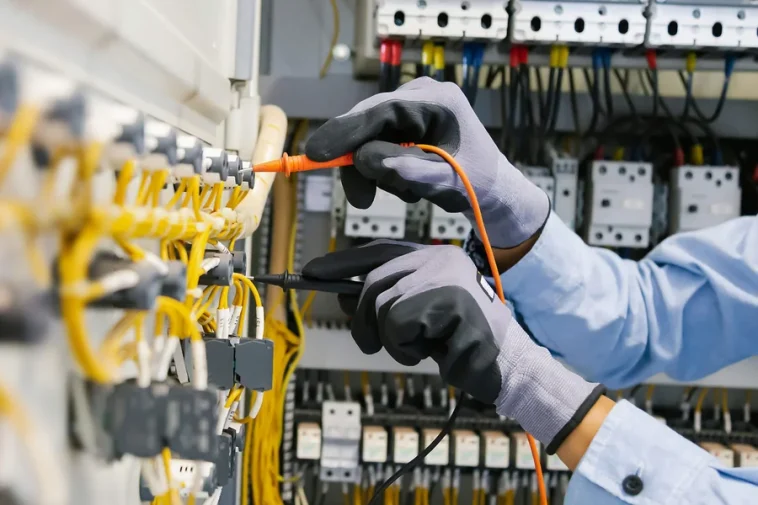
In the evolving landscape of commercial infrastructure, the role of electrical systems has become increasingly critical to the operational success of businesses. As technological demands intensify and buildings become more complex, the expertise required to install, maintain, and troubleshoot commercial electrical systems has grown proportionally. This article examines the multifaceted role and technical proficiency of the commercial electrician, a profession that underpins the functionality, safety, and efficiency of modern business environments. Drawing on industry practices and regulatory frameworks, the discussion highlights the scope of responsibilities, training requirements, and the value of prompt service delivery in maintaining business continuity.
Understanding the Scope of Commercial Electrical Work
While many are familiar with residential electricians, the scope of work for commercial electricians extends into far more complex territory. Electrical systems in commercial buildings—such as office towers, shopping centers, hospitals, factories, and schools—are not only larger in scale but are also governed by stricter codes, greater power demands, and a wider array of specialized equipment.
Commercial electricians must tailor their work to support specific operational functions. For instance, a restaurant may need both kitchen-grade power systems and mood lighting, while a logistics warehouse may require automated conveyor systems and reinforced backup power. Each commercial environment presents its own set of challenges, requiring tailored, code-compliant electrical solutions.
Core Responsibilities of a Commercial Electrician
The work of a commercial electrician covers a wide range of tasks that demand both hands-on skill and technical knowledge. These responsibilities include:
- Electrical System Design and Planning
Commercial electricians are involved in the early stages of building projects, working with architects, engineers, and construction managers to design functional electrical layouts. This includes calculating power loads, selecting proper wiring methods, and ensuring compliance with local building codes and the National Electrical Code (NEC). - Installation
Once designs are approved, electricians install wiring, switchgear, lighting systems, transformers, and power distribution panels. They may also set up data lines, fire alarms, security systems, and energy management interfaces tailored to the commercial environment. - Maintenance and Repairs
Routine maintenance is critical to ensuring system longevity and safety. Commercial electricians perform regular inspections, test system components, and troubleshoot problems ranging from faulty connections to equipment failure. Their ability to diagnose and repair complex issues quickly is essential to minimizing downtime. - Upgrades and Retrofitting
As technologies advance, commercial buildings must often be retrofitted with updated electrical systems. This could involve increasing system capacity, adding energy-efficient components, or integrating smart technologies. Retrofitting ensures buildings remain safe, compliant, and energy-efficient. - Compliance and Safety
A major part of the commercial electrician’s role is ensuring all work adheres to local regulations and national codes. Safety is paramount—not only for the electrician but also for building occupants. Electricians are responsible for identifying and mitigating potential hazards such as overloaded circuits, outdated wiring, and improper grounding.
Specialized Knowledge and Skills
Commercial electricians require a sophisticated skill set to perform their jobs effectively. Key competencies include:
- Electrical Theory and Load Management: In-depth knowledge of how electricity flows through systems and how to calculate and balance loads is essential.
- Blueprint Interpretation: Electricians must accurately interpret technical drawings and blueprints to install systems as planned.
- Advanced Tools and Technology: Commercial projects require the use of tools such as conduit benders, voltmeters, oscilloscopes, and thermal imaging cameras.
- Building Codes and Legal Standards: Keeping current with updates to electrical and safety codes is a continuous responsibility.
- Analytical and Problem-Solving Skills: Diagnosing issues in high-pressure situations requires quick, logical thinking and deep technical knowledge.
- Project and Time Management: On large jobs, electricians often oversee teams and coordinate schedules to ensure timely completion.
Training and Certification
Becoming a commercial electrician is a multi-step process that combines practical experience with classroom instruction. Most professionals begin through an apprenticeship program that lasts four to five years, during which they gain hands-on experience under the supervision of licensed electricians while studying subjects like circuitry, safety protocols, and code compliance.
After completing their apprenticeship, electricians must pass a licensing exam to become journeymen. Many go on to earn additional certifications or licenses to become master electricians, enabling them to lead larger projects or operate their own businesses. Licensing requirements vary by region but typically involve ongoing education to stay current with changing codes and technologies.
The Commercial Difference: Why Expertise Matters
Commercial electricians don’t just wire a building—they create the infrastructure that powers day-to-day operations. Their expertise directly affects business continuity, safety, and energy efficiency. Here’s why their specialized knowledge matters:
- Downtime is Expensive: For most businesses, electrical failures result in operational downtime, which translates to lost revenue. A prompt commercial electrician can minimize disruptions and ensure that issues are resolved quickly and effectively.
- Scalability: As businesses grow and require more power or smarter systems, a commercial electrician helps plan and implement scalable solutions.
- Energy Efficiency and Cost Savings: By installing efficient lighting, optimizing power use, and incorporating smart technologies, commercial electricians help businesses reduce energy costs and carbon footprints.
- Legal and Insurance Compliance: Improper installations or failure to meet electrical codes can result in fines or denied insurance claims. Qualified electricians ensure legal compliance and proper documentation.
Emerging Trends in Commercial Electrical Work
The commercial electrical field is rapidly evolving alongside advances in technology and sustainability. Smart building systems, automated lighting, energy management platforms, and EV (electric vehicle) charging infrastructure are becoming standard features in modern commercial environments. Commercial electricians now frequently work alongside IT specialists and engineers to implement these integrated solutions.
Sustainability is another driving force, with businesses increasingly adopting solar power, LED lighting systems, and low-energy HVAC controls. As a result, commercial electricians must stay informed about green technologies and government incentives.
Moreover, with the rise of IoT (Internet of Things), the security of connected electrical systems is becoming a concern. Electricians must now understand not just hardware but also how to secure systems from potential cyber threats, blurring the lines between traditional trades and modern tech disciplines.
Conclusion: A Profession That Powers Progress
The profession of commercial electrician is foundational to the functioning of modern businesses and commercial infrastructure. Their work ensures that buildings are safe, efficient, and technologically equipped to meet current and future demands. From design and installation to maintenance and upgrades, their responsibilities are wide-ranging and critical.
In an economy increasingly dependent on uninterrupted power and advanced technologies, the expertise of commercial electricians is not just valuable—it is indispensable. As businesses continue to evolve, the demand for skilled, knowledgeable, and prompt commercial electricians will only grow, reinforcing their role as vital contributors to economic development and workplace safety.