
 breakingbyte team
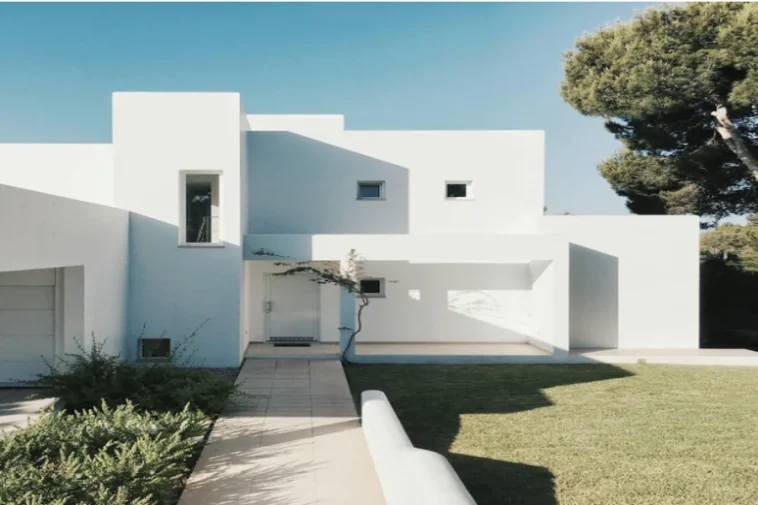
When it comes to enhancing the exterior design of your home, few elements offer the timeless appeal, durability, and versatility of stone tiles and pavers. Used for centuries across cultures and climates, natural stone has remained a staple in architectural and landscaping design. Today, homeowners and designers continue to embrace this material not only for its aesthetic charm but also for its functional benefits in outdoor spaces. Whether it’s a garden path, driveway, patio, or pool surround, stone tiles and pavers can elevate the look and feel of any exterior area.
The Aesthetic Appeal of Stone
Natural stone offers a wide variety of colors, textures, and patterns, making it a favored choice for homeowners seeking to personalize their outdoor spaces. Unlike synthetic materials, no two stones are alike. Each piece brings a unique texture and tone that reflects the earth’s natural palette—from warm, golden sandstones to cool, sleek granites and elegant slates.
Design-wise, stone tiles and pavers can fit into any architectural style. Rustic homes benefit from the rugged charm of cobblestone, while modern homes can incorporate clean-lined limestone or honed basalt for a sleek, minimalist finish. For Mediterranean or Tuscan-inspired homes, travertine offers a perfect old-world touch with its warm, neutral tones and soft, porous texture.
In addition, stone’s natural appearance blends seamlessly with surrounding landscapes. Whether used for pathways through a lush garden or framing a manicured lawn, it feels harmonious and grounded, enhancing curb appeal without overpowering other design elements.
Functional Benefits
Beyond aesthetics, natural stone offers a range of functional benefits that make it an ideal material for exterior use:
1. Durability and Longevity
Stone is one of the most durable materials available for outdoor applications. Properly installed and sealed, it can last for decades without significant wear. Granite, for example, is tough and resistant to chipping and scratching, making it ideal for high-traffic areas like driveways or walkways. Even softer stones like sandstone or travertine, when maintained properly, provide long-lasting beauty. For homeowners seeking a similarly durable yet versatile alternative to natural stone, Pattern Imprinted Concrete Driveways offer the look of premium materials while delivering long-lasting performance and low maintenance.
2. Weather Resistance
Natural stone is resilient in the face of extreme weather conditions. It withstands sun exposure, heavy rainfall, and even freezing temperatures better than many synthetic alternatives. This makes it particularly valuable in climates with seasonal extremes, as it resists fading, cracking, and erosion over time.
3. Low Maintenance
Most natural stone surfaces require minimal upkeep. Regular sweeping, occasional power washing, and resealing (depending on the stone type and exposure) are generally all that’s needed. Unlike wood, it doesn’t warp, rot, or need to be painted. And unlike concrete, it doesn’t develop unsightly hairline cracks as easily.
4. Slip Resistance
When choosing stone for pool decks or other wet areas, textured finishes like flamed granite or tumbled travertine can provide excellent slip resistance. This makes stone tiles and pavers a safer choice for families with children or elderly members.
Applications in Exterior Design
Stone tiles and pavers can be used in a variety of exterior applications, each contributing both beauty and function to a property’s outdoor space:
1. Patios and Courtyards
Stone-paved patios provide an inviting space for entertaining, relaxing, or dining al fresco. The choice of stone can set the tone—light-colored limestone creates a bright and modern feel, while darker slates evoke coziness and intimacy. Combining large format tiles with smaller mosaic inlays can add design interest and define different zones within the patio.
2. Walkways and Pathways
Stone pathways can lead visitors through your garden, around the side of your home, or from the driveway to the front door. Curved paths lined with river stones or bordered by flowering plants create a sense of journey and discovery. Choosing irregular flagstones for walkways adds a natural, organic feel, while cut and laid pavers offer structure and formality.
3. Driveways
Durable stones like granite or basalt can withstand the weight and wear of vehicles, making them ideal for driveways. While more expensive than asphalt or poured concrete, stone-paved driveways offer unmatched curb appeal and long-term value. Interlocking pavers are particularly popular due to their strength, ease of repair, and design flexibility.
4. Pool Decks
Cool underfoot and naturally beautiful, certain stones like travertine are ideal for pool surrounds. Their porous structure helps absorb water, reducing slip risk, and their light color reflects sunlight to remain cool even on hot days. Stones can also be coordinated with coping stones around the pool’s edge for a cohesive look.
5. Garden Borders and Edging
Smaller pavers or cut stone tiles can be used to edge garden beds or separate grass from gravel or mulch areas. This creates a neat and structured landscape while helping to contain different materials.

Choosing the Right Stone
With many types of natural stone available, choosing the right one depends on several factors:
- Location and Use: Heavily trafficked areas require harder stones like granite or quartzite, while decorative zones may allow for softer stones like slate or travertine.
- Climate: Consider how the stone reacts to your region’s weather. In freeze-thaw climates, denser stones with low water absorption are preferable.
- Color and Texture: Match or contrast with your home’s architecture and other outdoor elements.
- Finish: Flamed or tumbled finishes offer better traction; polished surfaces, while beautiful, can be slippery and less ideal for outdoor use.
Choosing the right stone also means sourcing from a reputable supplier—the best natural stone supplier can help guide your selection based on local conditions and design needs, ensuring both aesthetic and performance goals are met.
Sustainable and Eco-Friendly Design
Natural stone is a sustainable material choice. It doesn’t require energy-intensive manufacturing processes like concrete or synthetic pavers, and it can often be sourced locally to reduce transport emissions. Additionally, stone is recyclable—old pavers and tiles can be repurposed or crushed for use in landscaping or road base.
Using permeable stone paving systems can also support environmentally friendly landscaping. These allow rainwater to filter into the ground instead of running off into storm drains, reducing erosion and replenishing groundwater.
Enhancing Property Value
Investing in quality exterior stonework can significantly boost your home’s value. First impressions matter, and a well-designed stone entryway or garden can enhance curb appeal dramatically. Likewise, outdoor living areas with durable, stylish stone paving often appeal to buyers seeking functional yet beautiful spaces for family gatherings and entertaining.
Conclusion
Stone tiles and pavers are more than just a design choice—they’re a long-term investment in the beauty, function, and value of your home’s exterior. With their natural charm, remarkable durability, and low-maintenance nature, they offer a perfect blend of style and practicality. Whether you’re redesigning your garden path, building a patio oasis, or laying a new driveway, stone materials can bring your vision to life while standing the test of time.