
 breakingbyte team
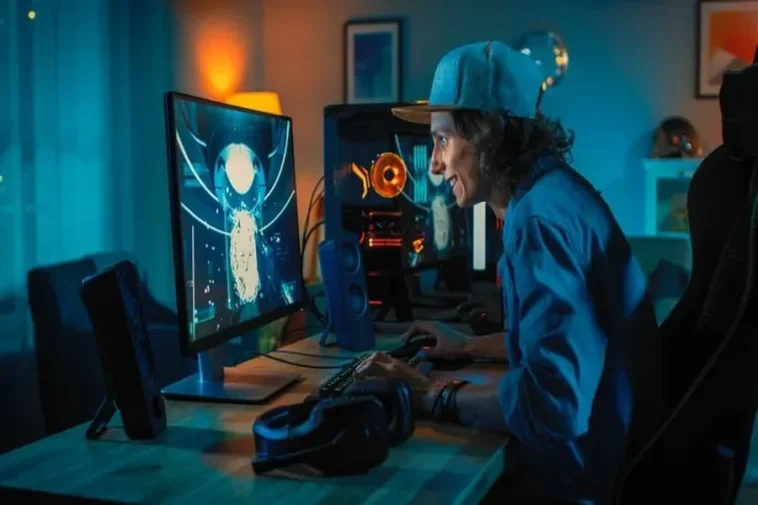
Today, online games mean more than simply playing games. They help others understand what we are like. Games let us select an avatar and interact in a way that helps us show who we are.
It’s more evident as more people move their lives online. Games often help people make friends, experiment with different roles, and show their personal flair.
Using avatars as ways to see yourself in the digital world
When you start an online game, you normally select or make your avatar. This virtual character usually shows the side of you that you hope others will notice.
Several players select avatars that resemble their appearances. Others like to take advantage of the occasion to become someone new—to dress up, change their gender, or be a mythical creature. Having a digital identity gives us the freedoms and choices we want.
They’re not only fun; they’re personal. They tell us about players’ values and relationships with real and virtual life elements.
How Communities Affect Us
They connect players from different parts of the globe. Talking with your teammates is very important in multiplayer modes. Everyone learns to express themselves differently, depending on whether they chat, use voice, or communicate by game means.
Communities have a major impact as well. Most people act like the group they join, and shared behaviors on the internet play a role in shaping someone’s online personality.
Platforms like the Austria Casino Platform offer such community spaces. Millions chat among themselves, react to their wins, and slowly gain a reputation. Social interaction replaces the simple act of gambling.
Questions and searching are great ways to role-play.
Select games are created for role-play. People make detailed stories within these worlds and choose their character traits. They take on someone else’s role and often discover aspects of themselves.
Playing games online can allow players to try out roles they hide in real life. It’s a secure method of exploring, taking on different positions, and improving.
How We Feel About Ourself on Social Media
How we rank, our achievements, and our place on the leaderboard all help define our identity online. Top players and those who find rare items have shown they are dedicated and skilled at the game, which makes players feel proud.
Your status is important in casinos as well. The type of VIP level, access to high-roller rooms, and available bonuses help shape users’ feelings about themselves. Platforms like Canadian HellSpin reward loyalty and activity, making users feel seen and valued.
Fashion, Customization, and Style
Currently, there are numerous ways to make one’s game stand out. Players can use skins, gear, and themes to show who they are. For some, appearance is so important that they pay real cash to look their best.
The themes and animations in casino games often represent what users like. Whether a theme is vibrant, sparkly, elegant, or simple, it reflects the user’s style. Players can choose from various options to ensure they can show their identity online.
How does Digital Identity affect our real lives?
Things we experience in games often affect our lives outside them. What we do, say, and think online commonly appears in our face-to-face relationships.
Many people become friends online, chat in forums, or broadcast their game sessions. Some use gaming to build their careers. They influence how others see their A-list celebrities on and off social media.
Whether on a role-play server or a platform like the Austria Casino Platform, gaming has become central to personal branding and digital self-expression.
Final Thought
Thanks to avatars, achievements, casino rooms, and team raids, online gaming allows players to form their identity these days. It isn’t just a form of play but a sense of self-expression online, formed by people worldwide.