
 breakingbyte team
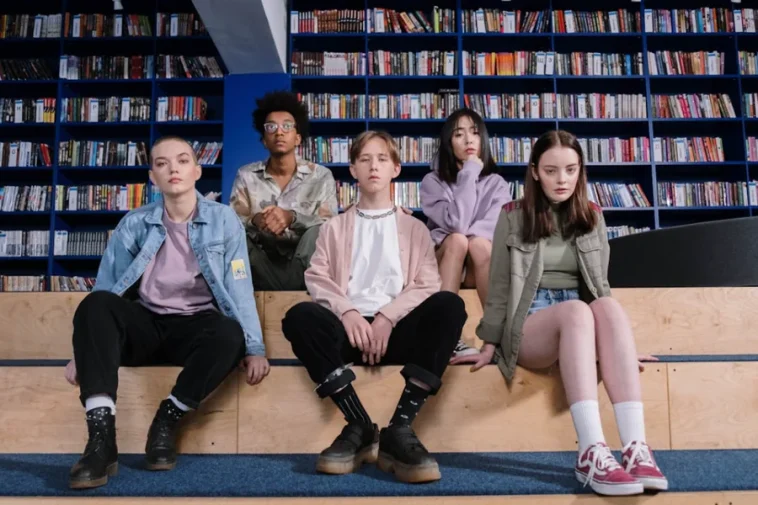
From viral dances to investment bubbles, from fashion fads to dietary movements, human societies tend to go through episodes in which millions of people suddenly do the same thing at the same time: believe the same story or lie; listen to the same song; condemn a restaurant that doesn’t go along with a trend. “Collective trend adoption is a quintessential demonstration of human psychology, social influence and the basic core need to belong. Learning why it is that fads catch on can shine light on our own mental processes as well as broader social factors responsible for cultural evolution.
The Neuroscience of Social Contagion
Mankind’s brains are built to mimic social life as a matter of survival on the evolutionary scale. Mirror neurons are active when we do things and when see others do them, enabling automatic behavioural synchronisation. This neurological substrate of behavior makes it second nature for us to imitate what we observe and see over and over again, particularly when enacted by individuals who seem similar or higher up the social ladder than we are.
Social proof is a cognitive bias—when we see a lot of people doing something, we tend to think that it must be the right thing. This heuristic that was fairly reliable for our ancestors in small groups, can cause mass adoption of behaviors without critical evaluation at the individual level in large connected societies.
The Mechanics of Viral Spread
- Influencer Amplification: If people perceive high status individuals or celebrities are taking on a behavior be very powerful modeling effects rippling through social networks
- Meets Social Media: New media hurricane is both fast and placeless; maximizes the ability to push trends out globally within hours.
- FOMO (Fear of Missing Out): Fear of being excluded from social and recreational activities compels involvement despite lacking personal interest
- Network Effects: Some things are more valuable the more people do them, leading to self-sustaining adoption loop
- Algorithmic Amplification: Recommendation algorithms amplify trends and create artificial momentum through selective exposure
Like an online casino that entices players with unpredictable wins and occasional rewards, social media algorithms facilitate the spread of trends by rewarding attention at those exact intervals, pulling users into a cycle of engagement.
Psychological Drivers of Trend Adoption
Apart from mere copying, trends play important psychological roles. Identity signaling provides a method for people to signal their group membership, values, and social concerns through their choices in behavior. Cognitive ease is when it’s quicker and easier to accept a path of least resistance And paying attention to already formed habits, without putting much thought into them or creating new habits.
Social acceptance is a key motivation to engage in many trends, with shared activities generating group-relatedness and conversational material. Temporary nature of fads also act as safe zones for trying out identity and forms of behavior without entering into long-term commitments.
The Negative Side of Mass Behavior
Although trends can drive creativity, community and cultural shifts, they are also the enablers of dangerous phenomena: financial bubbles, spread of conspiracy theories, unhealthy lifestyle fads. Groupthink prevents members of a group from making up their own minds individually and cascade effects can blow the smallest deviation in initial opinions out of proportions.
Wrapping Up
The psychology of trends suggests that we’re conditioned to be herd-like, social creatures whose free will decisions are heavily shackled by what others people do. Although this vulnerability to the pull of peers allowed our species to achieve extraordinary levels of cooperation and cultural sophistication, it demands conscious vigilance in an era when we are all hyper-connected. We can make more deliberate decisions about which trends to go along with, when to stand up against a popular tide and how we balance our social belonging with individual authenticity in an age of increasingly trend-driven behaviour.