
 breakingbyte team
Introduction
Real estate has always been considered a cornerstone of wealth creation, but let’s face it—investing in property has traditionally been expensive, slow, and complicated. From large upfront capital requirements to paperwork-heavy processes, property ownership often feels out of reach for many aspiring investors.
Enter real estate tokenization, a revolutionary concept powered by blockchain. Turning physical property into digital tokens, it makes real estate more affordable, transparent, and liquid. According to a report by Boston Consulting Group, the market for tokenized assets is projected to reach $16 trillion by 2030—with real estate expected to dominate a significant chunk of that.
In this blog, we’ll unpack what asset tokenization is, why real estate tokenization matters, and why it’s quickly becoming the next big thing in property investment.
What is Asset Tokenization?
Before diving into real estate, let’s clear up the basics.
Asset tokenization is the process of converting the rights to a real-world asset into digital tokens on a blockchain. Each token represents a fraction of ownership in that asset. These tokens can then be bought, sold, or traded just like stocks or cryptocurrencies.
For example:
- A $10 million property can be tokenized into 1 million tokens.
- Each token could represent a $10 share in the property.
- Investors can purchase as many tokens as they want, essentially owning a fraction of the building.
This concept isn’t limited to real estate—art, stocks, and even luxury cars are being tokenized. But real estate stands out because it’s one of the largest asset classes globally, valued at over $326 trillion (Savills, 2023).
What is Real Estate Tokenization?
Real estate tokenization specifically refers to using blockchain to split property ownership into digital tokens. These tokens give investors access to income streams like rental yields and capital appreciation without the traditional hassles of direct ownership.
Instead of saving for years to afford a down payment on a property, investors can start with as little as a few hundred dollars. This fractional ownership model is why tokenization is being hailed as a game-changer.
Some key highlights:
- Blockchain ensures transparency: Every transaction is recorded, secure, and immutable.
- Investors gain liquidity: Unlike traditional real estate, tokenized assets can be traded on secondary markets.
- Global accessibility: Investors from different countries can invest in the same property seamlessly.
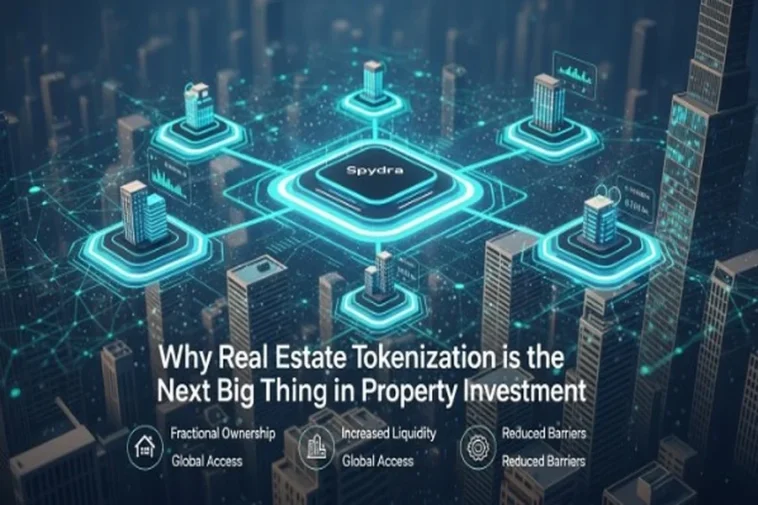
Why Real Estate Tokenization is the Next Big Thing
So, what makes tokenization such a breakthrough? Let’s break it down.
1. Lower Barriers to Entry
Traditionally, real estate has been reserved for wealthy investors or institutions. Tokenization allows anyone to own a share of prime properties across the world.
???? Example: Instead of buying a $500,000 apartment, investors can buy $1,000 worth of tokens.
2. Increased Liquidity
Selling property the old-fashioned way can take months. With tokenization, investors can trade tokens instantly on blockchain-powered exchanges, making real estate almost as liquid as stocks.
3. Global Investment Opportunities
Imagine living in London but owning a fraction of a skyscraper in New York. Tokenization makes cross-border property investment possible without endless legal headaches.
4. Transparency and Security
Blockchain ensures every record of ownership, transaction, and contract is secure and verifiable. No shady dealings—everything is stored on an immutable ledger.
5. Democratization of Wealth
By allowing small investors to participate in premium real estate deals, tokenization levels the playing field in an industry historically dominated by the rich.
Real Estate Tokenization vs Traditional Investment
| Feature | Traditional Real Estate | Tokenized Real Estate |
| Entry Cost | High (hundreds of thousands) | Low (hundreds or thousands) |
| Liquidity | Low, takes months to sell | High, tokens can be traded anytime |
| Accessibility | Limited to local markets | Global, borderless investment |
| Ownership Model | Single or few owners | Fractional, many token holders |
| Transparency | Dependent on paperwork | Full blockchain traceability |
Tokenization eliminates many of the pain points that scare people away from traditional real estate.
Real-Life Examples of Tokenized Properties
This isn’t just theory—it’s already happening.
- Aspen Coin (Aspen Digital Inc.) tokenized part of the St. Regis Aspen Resort in Colorado, making it one of the first luxury hotels sold as digital tokens.
- Red Swan CRE has tokenized over $2.2 billion worth of real estate projects.
- HoneyBricks and RealT are platforms where everyday investors can buy tokenized rental properties with just a few clicks.
These early movers are paving the way for mainstream adoption.
The Future of Real Estate Tokenization
Analysts predict that by 2030, tokenized real estate could represent $1.4 trillion of the total tokenized asset market. With governments and regulators slowly warming up to blockchain, tokenization is expected to reshape property markets globally.
We could soon see:
- Real estate investment becoming as easy as buying shares on Robinhood.
- More institutional investors entering tokenized property deals.
- Integration with DeFi platforms, where tokenized properties are used as collateral for loans.
It’s not “if” but “when” tokenization goes mainstream.
FAQs
- Is real estate tokenization legal?
Yes, but it depends on local regulations. Countries like the U.S., Switzerland, and Singapore have already made significant progress in creating legal frameworks. - How do investors make money from tokenized real estate?
Just like traditional real estate—through rental income and property appreciation. Token holders receive their share proportionally. - Is tokenization safe?
Blockchain ensures transparency, but investors should always research platforms and check compliance with security laws. - Can I sell my tokens anytime?
Yes, most tokenized real estate platforms offer secondary markets where tokens can be traded like stocks.
Wrapping It Up
Real estate tokenization isn’t just a passing trend—it’s the future of property investment. By combining the stability of real estate with the flexibility of blockchain, it makes investing more accessible, liquid, and transparent than ever before.
With the global tokenization market forecast to hit $16 trillion by 2030, now’s the perfect time to explore how this innovation can reshape your investment portfolio.
So, whether you’re a small investor looking to get your foot in the door or a seasoned pro seeking global opportunities, real estate tokenization is the key to unlocking a smarter, more inclusive future of investing.